
Understanding Their Evolution and Current Top-Use Cases in Recruiting
25 years ago, Transworld Recruiting utilized AI-powered voice applications, and we still think they are a good idea. As their form has shifted from manual, paper-based processes to automated, conversational AI systems that operate 24/7, their top-use cases have expanded due to broader adoption in recruiting, jumping from 26% in 2024 to 43% in 2025.
Today, voice AI is primarily used for automated pre-screening, interview scheduling, and high-volume candidate engagement, with some firms using it for real-time skills assessment and onboarding guidance. Recent studies show AI voice agents can outperform human recruiters in efficiency metrics, leading to 12% more job offers and 16% higher 30-day retention rates in large-scale trials.
Defining the Application Type
An AI-powered voice application uses Natural Language Processing (NLP) and speech recognition to conduct conversational interviews with candidates via phone, SMS, or WhatsApp. These virtual agents simulate human conversation. AI counterparts are able to:
- screen candidates 24/7
- ask role-specific questions
- assess responses in real-time
- automatically schedule interviews or send follow-up messages
The net result is a drastic reduction in the time recruiters spend on manual outreach.
In the context of frontline hiring, AI-powered voice apps are critical for high-volume, fast-paced recruitment where speed is essential to prevent candidate drop-off. Unlike traditional chatbots that handle single-turn queries, AI systems can execute multi-step workflows. For example, they can engage thousands of applicants simultaneously, qualify candidates against job criteria, and manage complex scheduling, allowing hiring teams to scale efficiently without sacrificing candidate experience.
Key Capabilities of AI-Powered Voice Applications
In essence, one application can work as a recruitment screening team, propelling the hiring process forward. That makes it all the more surprising that leading job boards do not implement these assistive apps to handle high-volume responses. Fortunately, companies like Transworld make access to this assistive technology possible. Imagine if you were able to complete the following behind-the-scenes:
- Automated Screening: AI can conduct voice interviews to evaluate qualifications and cultural fit instantly.
- 24/7 Availability: Candidates can complete their application via their preferred channels (voice, text, chat) and from any time zone, widening the pool as you see fit.
- Scalability: These applications can handle hundreds or thousands of simultaneous interactions for roles with high turnover.
- Integration: It is possible for the applications to also sync seamlessly with Applicant Tracking Systems (ATS) to update candidate status and generate structured feedback reports.
The Evolution of AI-Powered Voice Applications for Recruiting
From Static to Conversational Screening Historically, frontline hiring relied on manual phone screens, paper applications, and ad hoc WhatsApp messages, which were slow and inefficient. We know, because we were using the technology in 2001.
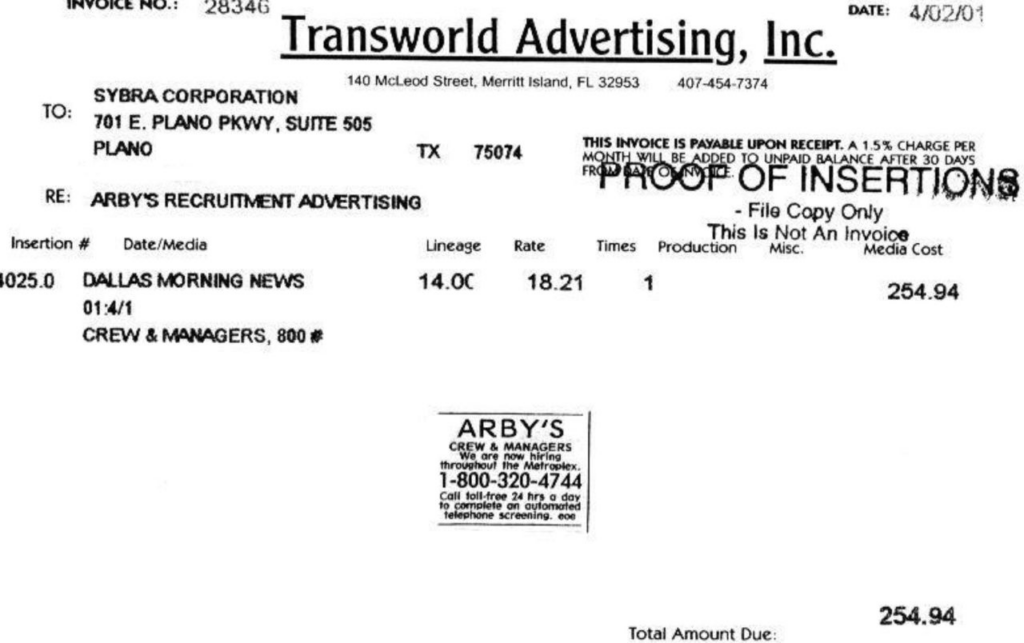
With a boost for remote applications due to COVID, the technology has continued to develop. Between 2024 and 2026, conversational AI voice agents became standard for high-volume roles. They now call candidates instantly after application to conduct structured interviews without scheduling delays. These AI agents can:
- autonomously screen hundreds of candidates
- filter qualified applicants
- sync results directly to ATS
- reduce time-to-hire by 8x
Ultimately, this adds up to saving recruiters over 60% of their time.
Additionally, date show that voice-based screening outperforms chat for frontline and skilled trades roles. Candidates can interview from job sites without typing. This resulted in 83.4% of candidates rating AI screening positively. Many noted the AI felt human and provided a two-way conversation about pay and schedules. This shift addresses the needs of the 2.7 billion deskless workers by making hiring more accessible, faster, and less dependent on stable internet or typing capabilities.
Today, AI hiring tools are deeply integrated with major HR ecosystems (e.g., UKG, SAP, Oracle, Workday) and operate under strict legal guardrails to ensure fairness. Legitimate platforms do not collect sensitive data like social security numbers during screening. Candidates are able to opt out for human interaction They also ensure human recruiters make all final hiring decisions. This human-inclusive approach helps reduce bias by ensuring every candidate is asked the same questions in the same order with AI managing the logistical volume.
Top Use Cases for Conversational AI in Hiring
AI-powered voice applications are primarily used in recruiting to streamline high-volume hiring by automating the initial candidate screening and interview schedule. These AI agents conduct natural-sounding phone calls to assess qualifications, availability, and interest, effectively reducing time-to-hire by up to 23%. Meanwhile, human recruiters are free to focus on strategic tasks.
Key use cases for how this works include:
- Automated Pre-Screening: Agents determine shift availability, certifications and other role-specific asks, and score responses in real-time. They filter qualified candidates directly into the ATS.
- Interview Coordination: The AI then checks recruiter calendars and candidate availability to book interviews automatically, eliminating back-and-forth emails.
- Candidate Re-engagement: Voice bots proactively contact dormant leads or past applicants to refresh their interest and re-enter them into active hiring pipelines.
- Multilingual Outreach: AI agents are able to conduct screenings in multiple languages and time zones, enabling global talent acquisition without expanding recruitment teams.
- Onboarding Assistance: Post-hire, voice assistants guide new employees through paperwork, answer HR FAQs, and schedule training sessions.
Some leading platforms, like HeyMilo, CloudTalk, and Lindy, report that up to 90% of AI-screened candidates advance to first-round interviews. This nearly doubles the rate of manual screening.
Transworld’s AI-Powered Conversation Tools & Chat Bots
As part of our Talent Attraction Suite, Transworld has chatbots and automated workflows to enhance candidate engagement and streamline the application process. Our chatbots, assist with scheduling, and improve response times, preventing drop-off in engagement. If you are ready to improve your recruiting strategy using tested methods that increase engagement and fast-track hiring, contact Transworld today.